B2B E-commerce: Better Ordering and Delivery Messages
Lessons from Quick Order and delivery messaging: make the buying task easier to complete and measure it properly.
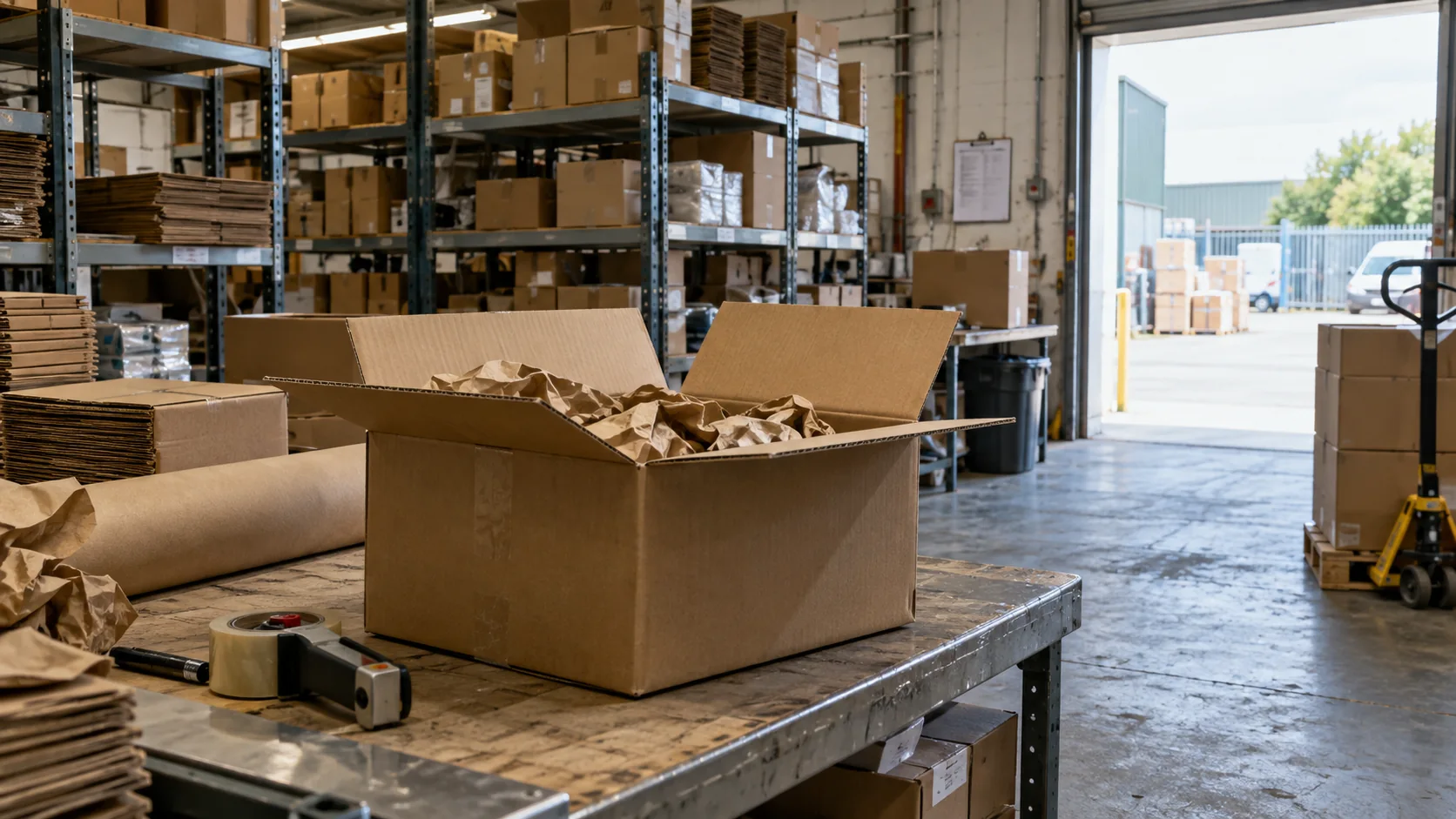
A trade buyer may arrive with twelve product codes and a job starting next week. They are not necessarily looking for inspiration. They need to enter the order, check the quantities and work out whether delivery fits the job.
That is why I approach B2B e-commerce conversion through the whole buying task. The checkout button matters, but so do the steps before it. My work on Direct Channel's Quick Order feature and delivery messaging focuses on making those practical decisions easier to complete.
Find the specific point of friction
“Improve conversion” is too broad to be a useful development brief. Start with the customer's task. Can they find a known product code? Do they understand whether the price is for one item or a pack? Can they change several quantities without rebuilding the basket? Is the delivery wording clear enough to plan around?
I would combine a review of the ordering journey with a small set of customer questions and funnel data. A support question gives context; analytics indicates how often a step is reached or abandoned. Neither is complete on its own.
Keep the first brief narrow. For example: help customers add a multi-line materials list without opening every product page. That is specific enough to design, test and explain.
Give repeat and bulk buyers a shorter route
On Direct Channel, Quick Order lets customers find products by name or code and use a paste-a-list option for multiple product codes and quantities. The page also explains how to add items and review the basket. You can see the feature on the live Quick Order page.
The important part is not simply having a large text box. Customers need to understand the expected format, recognise the selected products and see which lines require attention. Silent failures are particularly frustrating when someone has prepared a long order.
For any bulk-order interface, I would check the following:
- Can a customer distinguish a product code from a supplier reference?
- Are quantity rules and selling units visible?
- Are unavailable or unrecognised items explained clearly?
- Can the order be reviewed before adding it to the basket?
- Does the mobile layout allow practical editing without losing context?
This is also why catalogue accuracy belongs in a conversion discussion. A faster interface cannot compensate for a product being labelled incorrectly.
Separate dispatch from delivery
“Next-day delivery” and “dispatch next working day” describe different promises. A customer planning an installation may care deeply about the difference. The wording should tell them which event is being estimated.
I developed delivery ETA logic for WooCommerce that considers cutoff time, order weight, product lead times and working days. The aim is to put useful information beside shipping options while the customer is making a decision. The delivery case study explains that work.
The public Direct Channel delivery information page gives broader shipping context. A general information page and a basket-specific estimate have different jobs. The first explains the service; the second applies relevant conditions to the order being prepared.
Write messages that remain true after the cutoff
A countdown is useful only while its underlying promise is valid. After the cutoff, change the message to reflect the next dispatch opportunity. At weekends and around bank holidays, calculate working days deliberately rather than adding a fixed number of calendar days.
For illustration, a store could use “Order before 1pm for estimated delivery on Tuesday” before a cutoff, and “Estimated dispatch Wednesday; delivery estimate shown below” afterwards. Those are example structures, not Direct Channel service promises. The dates and eligibility need to come from that store's actual fulfilment rules.
Where an order includes a special item, explain what affects the estimate. Do not show an optimistic date for the ordinary items if the whole shipment will wait for a longer-lead component. If split delivery is offered, make the choice and its cost understandable.
Test the awkward baskets
A single lightweight product is not enough to validate an industrial checkout. My test plan would include a mixed basket, a heavy order, a long product, a non-standard item and an order placed just after the cutoff. Repeat those checks for a Friday and a bank-holiday boundary.
Use a safe test environment and appropriate test payment methods. Confirm that shipping changes update the message, that totals remain correct and that a customer can still proceed when an estimate cannot be calculated. A helpful extra should not become a new obstacle to ordering.
| Customer question | Information needed |
|---|---|
| What am I buying? | Product, variant, selling quantity and price basis. |
| Can I place the whole order? | Availability and clear handling of problematic lines. |
| When will it leave? | Dispatch estimate and relevant cutoff. |
| When might it arrive? | Delivery estimate with working-day assumptions. |
| What will I pay? | Complete basket total and delivery charge before payment. |
Measure the change without inventing a success story
I would track use of the bulk-order tool, successful basket additions, checkout progression and completed orders. Review error rates and customer questions too. If people use the feature but repeatedly abandon after a delivery charge appears, the next problem may be somewhere else.
Compare similar traffic and product conditions. Promotions, stock shortages and paid media changes can affect the conversion rate independently of the interface. Where traffic allows, a properly designed comparison is stronger than a simple before-and-after headline.
I do not attach a conversion uplift to the Direct Channel features without supporting data. The portfolio can show what was built and why it is useful; a performance claim needs its own evidence.
Common questions
Does every B2B shop need Quick Order?
It is most relevant where customers know product codes or prepare multi-line orders. A shop selling a few highly customised items may have a different bottleneck.
Should delivery estimates be guaranteed?
Only describe a service as guaranteed when the business can actually support that promise and its conditions. Otherwise make the estimate and relevant limitations clear.
What would I fix first?
The repeated point of confusion closest to a valid order. Start with evidence from customers and the buying journey, then choose a change small enough to assess properly.