Micro-influencers in UK marketing: how small voices drive big results
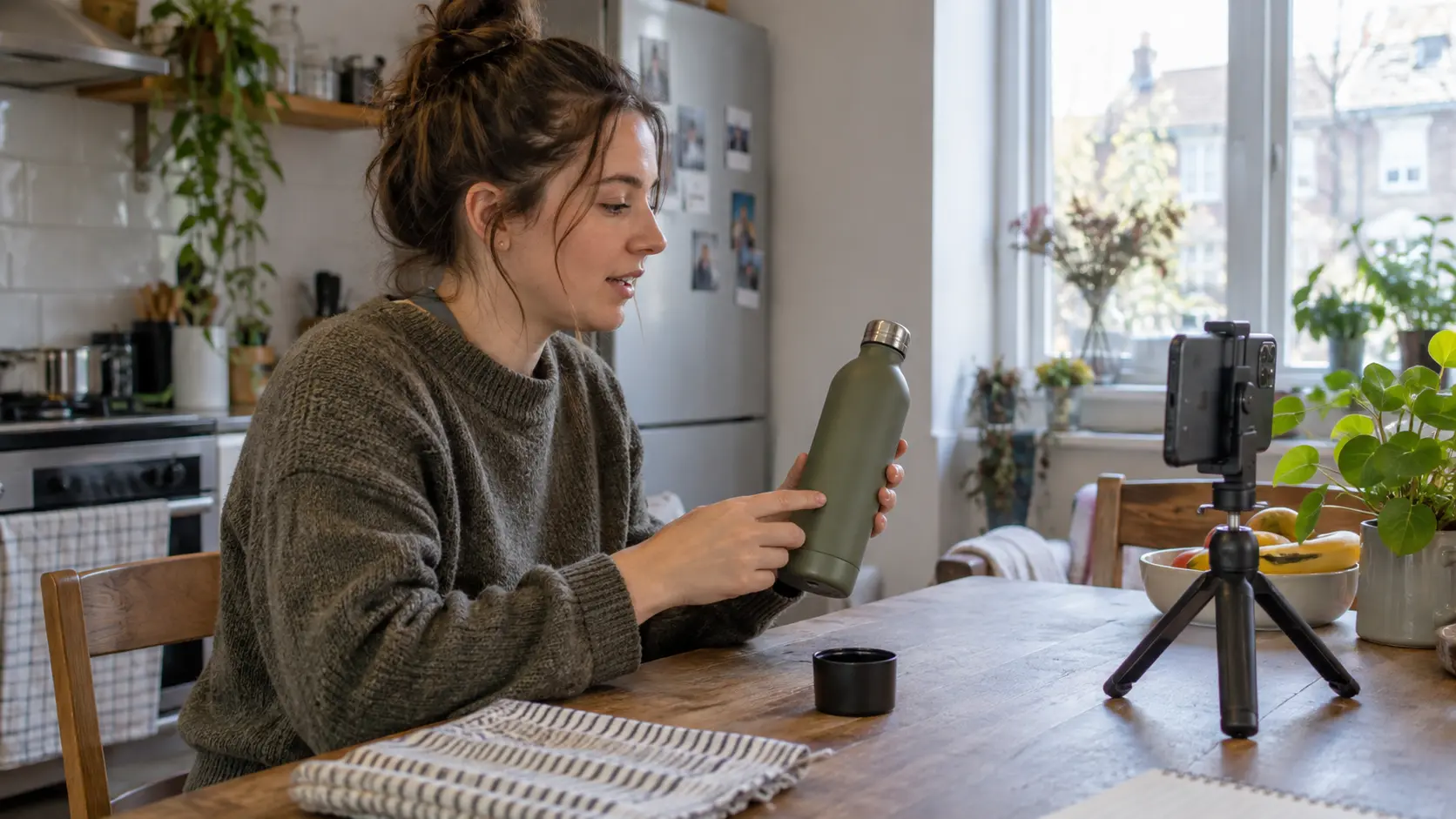
My MSc dissertation at Leeds was on influencer marketing across culturally diverse settings. The finding that stuck with me had nothing to do with culture: engagement rate falls almost monotonically as follower count rises. The bigger the account, the less any individual follower cares.
UK brands are slowly acting on this. The 500,000-follower fee is still easier to justify in a boardroom, but the 12,000-follower account is usually the one that moves stock.
What counts as a micro-influencer
Roughly 5,000 to 50,000 followers. Below that you are in nano territory, where you need volume to see any effect. Above it, the account starts behaving like media: professionalised, agency-managed, priced on reach.
The band matters because of what sits inside it. A 12,000-follower account is usually still run by the person whose face is on it. They reply to comments. They know their audience by name. When they recommend something, it reads as a recommendation rather than an insertion order.
The arithmetic
Take two campaigns at the same budget:
- One macro account: 400,000 followers, 1.1% engagement, one post. That is roughly 4,400 meaningful interactions, all in one audience, on one day.
- Twelve micro accounts: 15,000 followers each, 5.8% engagement. That is around 10,400 interactions, spread across twelve distinct communities, over a fortnight.
The second option wins twice: more total engagement, and twelve independent tests instead of one expensive coin flip. If three of the twelve outperform, you now know which audience to buy again. With the macro post you know nothing you can act on.
Micro-influencer campaigns are not just cheaper per interaction. They are divisible, which means every campaign doubles as an audience research project you were paying for anyway.
Finding them without a platform subscription
Influencer platforms are useful at scale. For a first campaign you do not need one.
- Start from your own followers. Sort by follower count. People who already buy from you and have an audience are the warmest possible outreach.
- Work the hashtags your customers use, not the ones your industry uses. "#smallbatchcoffee" will find you people; "#B2Bprocurement" will find you competitors.
- Follow the comment sections of accounts one tier above your target. The regulars replying thoughtfully are frequently micro-influencers themselves.
- Check the last twenty posts, not the grid. A tidy grid tells you they can use Canva. Twenty consecutive posts tells you whether their engagement is real and whether they post enough to matter.
Vetting: the three numbers that matter
Ignore follower count until you have checked these.
- Engagement rate: likes plus comments divided by followers, averaged over the last ten posts. In the micro band, under 2% is a warning sign, and over 12% often means an engagement pod.
- Comment quality: are they sentences, or are they emoji and "🔥🔥"? Real communities argue, ask questions and tag friends.
- Audience location: ask for the screenshot. A UK brand paying for an audience that is 70% outside the UK is buying vanity. This is the single most common failure I see.
Pricing and the brief
UK micro rates sit broadly between £80 and £400 per post depending on niche, format and usage rights. Video costs more than stills. Whitelisting (the right to run their content as a paid ad from your account) costs more again, and is almost always worth it, because a creator's face outperforms a studio shot in a cold feed by a distance.
On the brief itself: state the constraints, never the script. The reason the post works is that it sounds like them. Give them the three things that must be true, the one thing that must never be said, the link, the disclosure requirement, and then get out of the way.
The UK CAP Code requires paid partnerships to be identifiable before engagement, #ad in the visible portion of the caption, not buried under a "more" link. The ASA does publish rulings, and they are indexed. Put it in the contract.
Measuring it properly
Attribution for influencer work is genuinely hard, because most of the effect is dark social, a screenshot sent to a WhatsApp group, then a branded search three days later. Do not pretend otherwise. Instrument three layers instead:
- Direct: unique discount codes and UTM links per creator. Undercounts badly, but it is clean and comparable between creators.
- Indirect: branded search volume and direct traffic in the 72 hours after each post, against the preceding baseline. This is where micro campaigns usually reveal themselves.
- Asset value: the content itself. If you have whitelisting rights, judge the creative on paid CTR against your existing best performer. I have had creator assets beat studio product shots by double-digit percentages on click-through.
What I would do with a first £2,000
Eight to ten creators, one round, staggered over two weeks. Unique codes for everyone. Whitelisting rights negotiated up front, because you will want them and it is far cheaper before the post exists than after. Then re-book only the two or three that beat the average, at a higher fee, on a longer term.
That is the actual advantage here. Not that micro-influencers are cheap, that they let you find out what works before you spend the money that matters.